Making product photos with AI: change the scene, but keep the product real
A mustard shirt laid on a bedroom floor, shot under a yellow ceiling light. AI makes it look far better. So much better that the shirt in the photo isn't the one the customer will get.

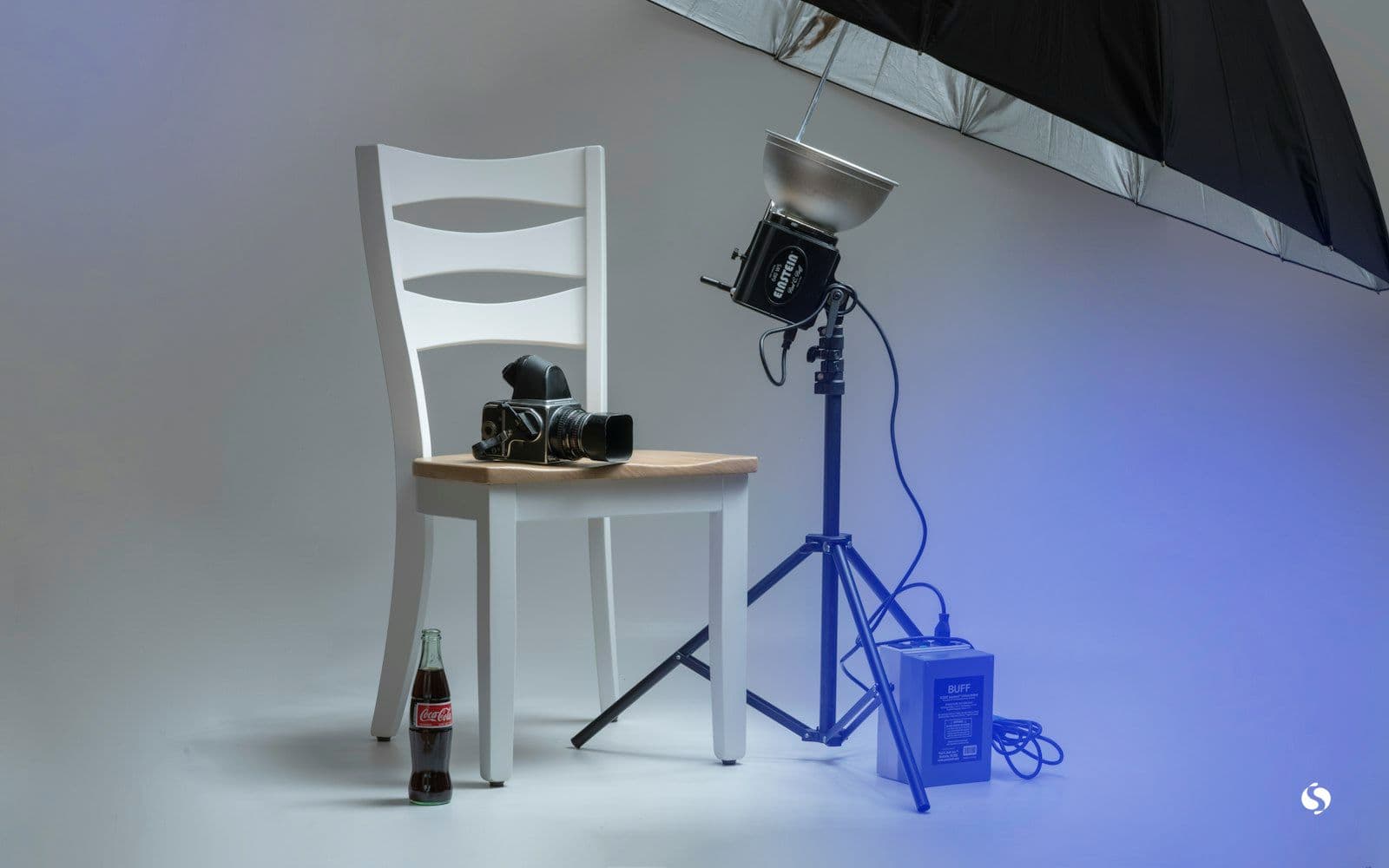
Key points
- AI is good at product photo work like removing backgrounds, changing scenes, fixing light and making promo images, as long as it starts from a real photo of the product.
- When AI generates or redraws the whole product, it can change the colour, fabric pattern, logo lettering or proportions without telling you.
- Photos that don't match the real product cost the shop return shipping, stock that can no longer be sold as new, and reviews.
- Before posting, compare the AI-edited photo with the real product in daylight, and include at least one unedited photo of the real thing.
- If a scene or model was generated by AI, tell customers it's an illustration, and check the product photo rules of any marketplace you sell on.
Eleven at night in a 30-square-metre condo. The owner of a small online clothing shop lays a mustard shirt on the floor, puts a pair of canvas sneakers beside it and stands on a chair to shoot down. The yellow ceiling light makes everything look dull, and the phone casts a shadow over the collar.
She's just seen an ad saying AI can put any shirt on a model walking down a European street. Why not try it? A few minutes later the photo is ready, better than anything the shop has ever posted.
The next week, orders come in faster than usual. Then the first message arrives: "The colour isn't like the photo at all. In the photo it's golden, the real one is a bit greenish." Then another: "The check pattern in the photo was smaller than this."
She puts the photo next to the real shirt. The customers are right on every point. Along with the background, AI had drawn the shirt again from scratch.
Online, the photo is the only part of the product customers can touch
In a real shop, people feel the fabric, hold the shirt up to the light, hold it against themselves. Online, all they can do is look. Everything they know about the colour, the fabric and the size comes from the photos.
So a product photo is a promise about what will be in the box. If that promise is wrong, even because of AI, customers remember the shop as the one who got it wrong.
That makes the line very clear. AI can change anything around the product, but the product itself has to be the real thing.
What AI genuinely does well with product photos
Start from a real photo and let AI touch only what's around the product, and it can help a small shop a lot.
Removing messy backgrounds. The floor, the bedsheet, the corner of a table that crept into the frame. AI cuts them out cleanly in seconds and puts the product on a plain background that suits your store. That used to be half an hour of careful cutting per photo.
Bringing the light closer to reality. A photo taken under yellow light can be corrected so the colour is closer to the real thing. Check it against the product every time and the photo ends up both nicer and more accurate.
Mood scenes and promo images. Put the sneakers you actually photographed onto a garden path, build the background for an end-of-month sale image, resize for every channel. The product is still the original photo. Only the scene changes.
To see where photo work fits into using AI across a shop, read AI for small businesses: what it's actually good for.
Where a beautiful photo becomes a misleading one
Trouble starts when AI stops editing around the product and generates the product itself. Ask it to "put this shirt on a model" or "make these shoes look more premium" and it draws the product to fit the scene. It doesn't preserve every detail of the original.
What tends to drift without anyone saying so: a colour shifted just enough for customers to notice, a fabric pattern neater than real life, buttons or stitching that changed shape, one wrong letter in a logo, and a fit that looks perfect on a model AI invented, which tells nobody how the real shirt wears.
Do the maths for an imaginary shop. It sells 100 shirts from AI-edited photos, and 6 come back because the colour doesn't match. Shipping out and back costs 90 baht per shirt: 540 baht spent to get shirts back, some of which can't be sold as new anymore. That's before the one-star review that stays on the store page for a long time.
One good photo of the real thing makes AI work better
AI only does as well as the photo it starts from. A photo that's dark, blurry or off-colour forces it to guess, and the more it guesses, the more it changes the product.
A good photo doesn't need a studio. Shoot in the daytime by a window with the room lights off so there's only natural light. Lay the product on a plain white cloth or sheet of paper. Hold the phone level with the product rather than tilting it. Shoot every side, plus close-ups of the fabric, the label and the details customers always ask about.
That set of photos is the real thing everything else refers back to. You might hand it to AI to remove the background, or keep it to check what AI changed. Either way, this is where it starts.
A checklist before posting AI-edited product photos
Before posting any photo AI has edited or generated, run through this quickly every time.
- Next to the real product in daylight, does the colour match?
- Are the pattern, logo, lettering, buttons and stitching all the same as the real thing?
- Do the proportions and size look believable next to things around it?
- Does the product page include at least one unedited photo of the real product?
- If the scene or model was generated by AI, have you told customers, for example with "illustrative image" under the photo?
If you also sell on marketplaces, check each one's rules on product photos first, since they differ from place to place and can change over time.
Shops whose photos customers trust sell more easily in the long run
A photo that looks good and matches the product may not stop the scroll quite like a fully AI-generated one. But customers who receive the order don't message to ask why it looks different, and they come back without hesitating. That's where small shops that last tend to win.
Shops with a woowey online store can change product photos and prices themselves, so a fresh photo of the real thing can go up the moment it's taken, and the store looks good on every screen, so customers on their phones see the product clearly.
The following Saturday morning, the same shirt lies on a white cloth by the window. The morning light brings the mustard back to the colour it really is. This time AI changes only one thing: the floor.
Frequently asked questions
Can I use AI to make product photos?
Yes, especially for removing backgrounds, changing scenes, fixing light and making promo images. Start from a real photo of the product and check that it still matches the real thing before posting.
Are AI product photos against the rules?
Editing photos or changing backgrounds is generally fine. The problem is photos that mislead customers about the product, such as wrong colours or details. Each marketplace also has its own product photo rules, so check before you post.
Can AI put my clothes on a model?
It can, to show a mood, but AI usually redraws the garment to fit the model, so the colour, pattern or shape may change. Tell customers it's an illustration and always include real product photos too.
How do I take good product photos with a phone?
Shoot in daylight by a window with the room lights off, put the product on a plain white surface, hold the phone level with it, and photograph every side plus close-ups of the details.
The woowey team
We build websites and systems for businesses
We build websites, booking systems, online stores and back offices for Thai businesses, then look after them every month. What we write here comes from what we see working with real shops.
Want this for your business? Tell us
Type what you need. The woowey team builds your website and systems, then looks after them every month.
Keep reading
 AI for business
Using AI to read your sales: the numbers are already there, what's missing is the right questions
Sunday night, six hundred parcels packed. Sales look great this month, but the bank balance doesn't. The file that explains where the money went has been on the laptop all along. Nobody has asked it anything.
 AI for business
AI for small businesses: what it's actually good for in a shop
At half past ten at night, a bakery owner asks AI how to sell more and gets an answer she can't use. Meanwhile the work AI could really help with is sitting in 23 unread messages on her phone.
 AI for business
Using ChatGPT to write sales posts: why they all sound the same, and what to tell it
A maths tutor opens a new course and asks ChatGPT for a sign-up post. Every line is polished and nobody gets in touch. The problem isn't the AI. It's everything she didn't tell it.