Accepting payments online for small shops: the problem isn't getting paid, it's checking every slip
Saturday, 7 am. Twelve cakes need decorating, and one of the owner's hands is scrolling LINE for payment slips. Most small shops can already take money online. What wears them out is everything after the money arrives.

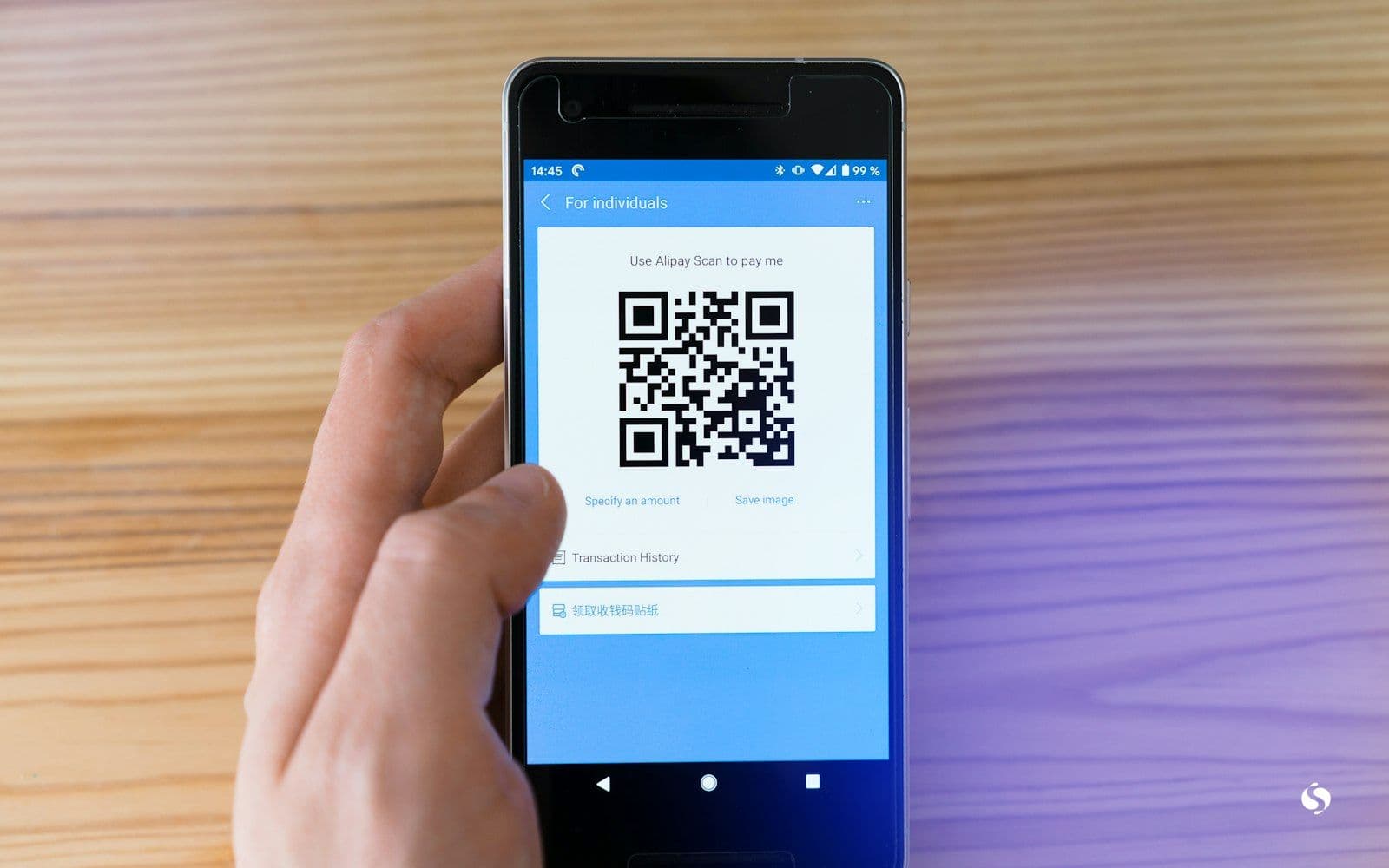
Key points
- Most small shops can already take payments online. What eats time is matching slips to orders and checking the money really arrived.
- Bank transfer with a slip has no middleman taking a percentage, but the shop has to check every payment by hand.
- A PromptPay QR with the amount built in cuts down on wrong amounts, but the shop still has to match payments to orders.
- A payment gateway confirms payment automatically and accepts cards, for a per-transaction fee set by each provider.
- To guard against fake slips, ship only once the money shows up in the shop's own banking app, never on the strength of a slip image.
It's 7 am on a Saturday and a home bakery has twelve strawberry cakes to deliver. The owner is piping cream with one hand and scrolling LINE with the other.
The chat is full of payment slips. Some were sent on Wednesday, some last night. One says 450 baht for a cake that costs 540. Another has a name that doesn't match the person in the chat, because her boyfriend paid. The owner opens her banking app, goes down the incoming payments one at a time, then back to the chat to match them person by person.
The cream starts to soften. It's been out of the fridge too long.
Most small shops don't have a problem taking money online. Thai customers pay by mobile transfer without thinking about it. The real problem comes after the money arrives, when someone has to sit and check every slip: which order it's for, whether the amount is right, and whether the money actually landed.
Checking slips is a cost nobody counts
Some imaginary maths. Thirty orders a day, about two minutes per slip once you open the banking app, find the order and tell the customer it's received. That's an hour a day, close to thirty hours a month.
That time never appears in the accounts. But it's time the owner isn't baking or photographing products, and it tends to land in the busiest part of the day. The better the shop sells, the heavier it gets.
So a shop should choose how it takes payments by asking two things. Is it easy for customers to pay? And how quickly does the shop know which orders are paid? Most owners think about the first. The second is the one that gets forgotten.
Bank transfer and a slip: what Thai customers know best
The good side is that everyone knows how to do it. There's nothing to sign up for, no middleman taking a percentage, and the money lands in the shop's account straight away. For a shop just starting out, it's the simplest option there is.
The downside is that everything after that is manual. Customers transfer the wrong amount, forget to send the slip, or send a slip without saying what it's for. The shop chases them one by one.
It gets much lighter when the slip doesn't float around in a chat but comes attached to the customer's order. Open one order and you see what they bought, what they owe and the slip, all on one screen. All that's left is to check the banking app to confirm the money is really there.
A PromptPay QR gets the amount right, but you still check it arrived
A PromptPay QR code with the amount built in solves wrong amounts almost entirely. The customer scans and confirms. No typing numbers, no copying account details.
But if it's a QR the shop made from its own PromptPay number, the shop still has to work out which order each payment belongs to. The checking hasn't gone away, there are just fewer wrong amounts. If you want the system to know on its own which orders are paid, you usually need to go through a payment provider connected to the banks, with charges that depend on each provider's terms.
Taking cards through a payment gateway, and who it suits
A payment gateway is a service that lets customers pay by credit card, debit card or other methods on the shop's website, then tells the shop's system right away that the order is paid. No slips to check, nothing to match.
There are a few things to know before you sign up. Fees are a percentage of each transaction, and the rate depends on the provider and the type of card. Money reaches the shop's account on the provider's payout schedule, not instantly like a transfer. And the shop has to submit documents for review before it can go live.
To decide whether it's worth it, take the actual rate a provider quotes you, multiply it by your monthly sales, and set that against the hours spent checking slips, plus the customers you may lose because they can't pay by card. Shops with pricier products, foreign customers or lots of late-night orders tend to see the benefit more clearly than shops whose customers are local.
Fake slips and wrong amounts come down to one habit
A slip is just an image, and images can be edited. Plenty of online shops have been sent fake ones. The most reliable defence isn't complicated: never ship based on the slip image. Ship only once you can see the money in the shop's own banking app.
That sounds like extra work, but if slips are attached to orders and you check payments in batches, say once in the morning and once in the afternoon, it takes a few minutes. Much better than stopping what you're doing every time a message pops up.
If an amount doesn't match, message the customer once with exactly how much is short or over. Most of the time they mistyped or forgot to add shipping, and shipping is often what throws the totals off. More on that in setting shipping fees without losing money.
Attach the payment to the order, and Saturday morning changes
Transfer, QR or card, the shops that aren't buried in slips have one thing in common. Payment happens inside the order, not inside the chat. The customer orders on the store page, sees the total including shipping, pays and attaches proof to that order. The shop knows at once who paid for what. If you're still taking orders in chat and starting to lose track, read when selling in chat stops working.
The online stores the woowey team builds currently take payment by bank transfer, with the customer attaching the slip to their order. Customers see exactly how much to transfer on the checkout page, and the shop sees the order and the slip together, then checks the banking app before confirming. If that's how you'd like to start, tell us what you sell.
Next Saturday at 7 am there are still twelve strawberry cakes to finish. But the order list already shows that eleven are fully paid, one is 90 baht short, and the shop messaged that customer yesterday. The owner puts her phone down and decorates with both hands.
Frequently asked questions
What are the ways a small shop can accept payments online?
The main options are bank transfer with a payment slip, PromptPay QR, and a payment gateway that takes cards. Most small shops start with transfer and a slip, because customers know it and no middleman takes a percentage.
How do I start accepting credit cards online?
Sign up with a payment gateway provider, submit your shop's documents for review, then connect it to your store. Fees are a percentage of each transaction and depend on each provider's terms.
How can I avoid fake payment slips?
Don't ship on the strength of a slip image alone. Ship only once the money shows in your shop's banking app, and check in batches, such as morning and afternoon, which is faster than checking one by one.
What should I do if a customer transfers less than the total?
Message them once with exactly how much is missing and hold the order until it's paid in full. It's usually a typo or forgotten shipping, not anything deliberate.
The woowey team
We build websites and systems for businesses
We build websites, booking systems, online stores and back offices for Thai businesses, then look after them every month. What we write here comes from what we see working with real shops.
Want this for your business? Tell us
Type what you need. The woowey team builds your website and systems, then looks after them every month.
Keep reading
 Selling online
Setting shipping fees without losing money: how a wrong fee eats profit one order at a time
At the end of the month, a souvenir shop lines up courier receipts against the shipping it charged customers and finds a loss on almost every box. A few dozen baht each. No single order stands out, but together they add up.
 Selling online
Starting your own online store: let customers order without messaging first
At 11 pm someone finds a shirt she loves and asks the price. The shop replies in the morning, but she has already bought one elsewhere. The online shops that last do one thing differently: nobody has to message before they can order.
 Selling online
Marketplace or your own online store: one brings sales, the other brings customers back
On 11.11 a skincare shop packs orders until 3 am and spots a name buying the same serum for the third time. The shop sold to her three times and still doesn't know her. That's the real difference between a marketplace and your own store.