Setting shipping fees without losing money: how a wrong fee eats profit one order at a time
At the end of the month, a souvenir shop lines up courier receipts against the shipping it charged customers and finds a loss on almost every box. A few dozen baht each. No single order stands out, but together they add up.

Key points
- The shipping fee a shop charges rarely matches what it actually pays, because it's set once at opening and never revisited.
- The real cost of sending one parcel includes the box, padding and an allowance for damage and returns, not just the courier fee.
- Many couriers price by box size as well as weight, so a light but bulky item can cost more to ship than a heavy small one.
- A free-shipping threshold should sit above your average order value and be high enough that the order's profit covers real shipping.
- Comparing shipping charged with shipping paid every month takes little time and shows leaks early.
It's the end of the month, and the owner of an online Thai souvenir shop has the whole month's courier receipts lined up on the table, with her sales book next to them. The model tuk-tuks sold better than expected. The wooden elephants did well too. Two hundred boxes went out.
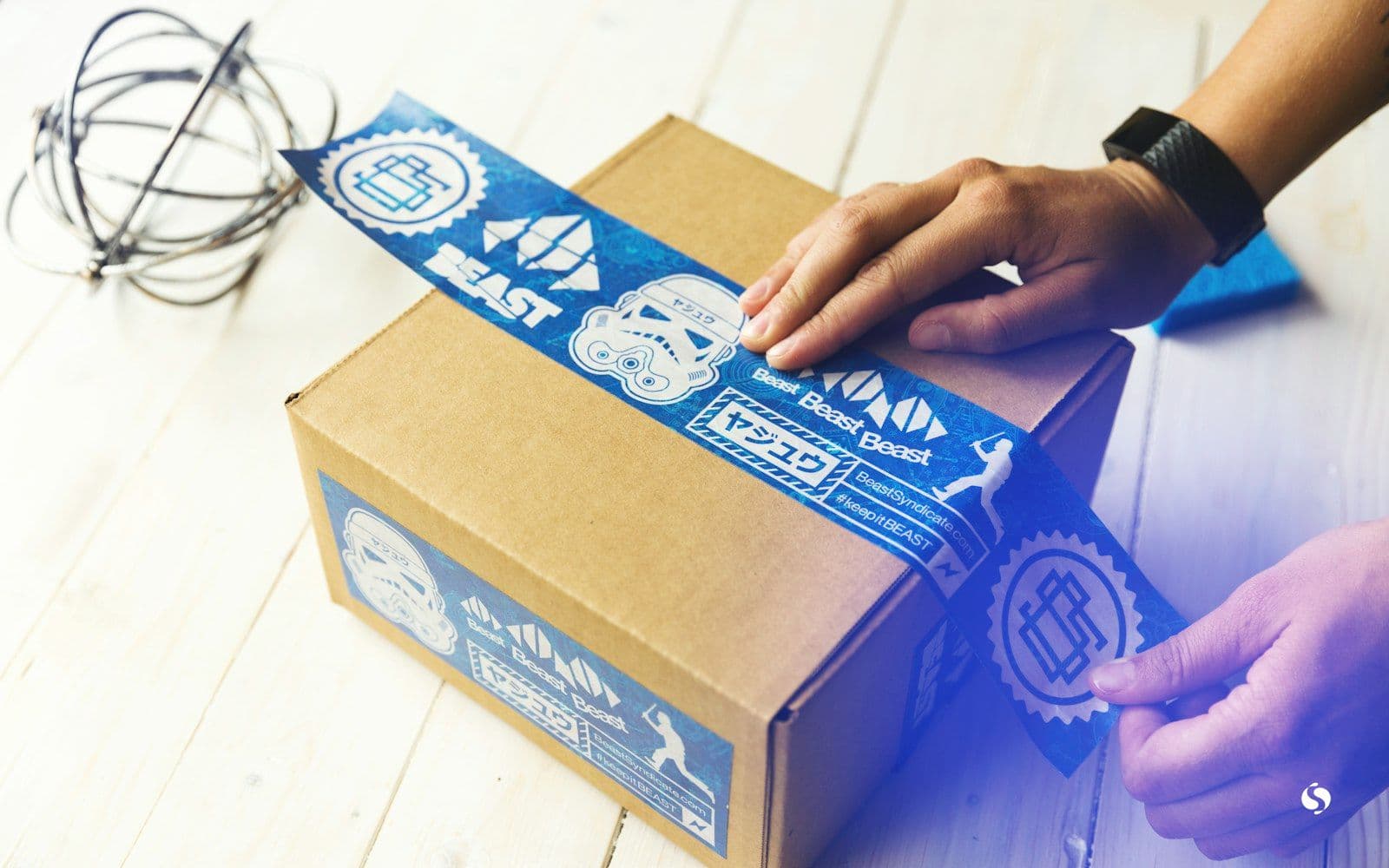
Sales look good, but the bank balance hasn't grown the way it should. She adds it up again and finds that the shipping she charged customers, a flat 40 baht a box, is less than she paid the courier on almost every parcel. A single tuk-tuk needs a big box and thick bubble wrap, and the courier charges by box size, not just weight.
No order lost enough to stand out. Twenty or thirty baht at a time, two hundred times.
A badly set shipping fee doesn't sink a shop in a day. It eats profit quietly, one order at a time, until the day someone sits down and adds it up.
What you charge for shipping and what you pay are rarely the same
Most shops set their shipping fee once, when they open, usually by copying other shops or by looking at the smallest box they've ever sent, and never look at it again. Meanwhile the products change, the boxes change and courier prices move, but that 40 baht on the store page stays put.
The other thing that throws the numbers off is that many couriers price by box size as well as weight. Something light but bulky, like a model tuk-tuk, can cost more to ship than something heavy in a small box. Shops selling oddly shaped things run into this more than anyone.
Sending one parcel costs more than the courier fee
When you work out shipping, count everything it takes to get one item into the customer's hands, not just the number on the courier receipt. Take the model tuk-tuk, with made-up numbers: it sells for 390 baht, costs 200 baht, and the shop charges 40 baht shipping.
| Shipping cost per box (example figures) | Baht |
|---|---|
| Courier fee by box size | 55 |
| Box | 12 |
| Bubble wrap and tape | 8 |
| Real shipping cost | 75 |
Charge 40, pay 75, and the shop covers 35 baht a box itself. The 190 baht profit per item it thought it was making is really 155. Send 200 boxes like that in a month and the gap is 7,000 baht that never shows up as a line in the accounts.
And that's before counting items that break in transit and have to be resent, parcels returned because of a wrong address, and the extra charges some couriers add for certain areas. These don't happen to every box, but some allowance for them belongs in your shipping fee.
Flat rate or by weight depends on what you sell
One flat rate. Customers like it because it's simple. It suits shops whose products are similar in size, like clothes or cosmetics. The key is to set it from the average cost of the boxes you actually send most, not the smallest one.
By weight or size. Fairer for shops selling things in many sizes, from keyrings to large wooden elephants. But customers need to see the shipping before they pay, or they'll abandon the cart at the last step.
Tiers. A middle path plenty of shops use: one price for small items, another for large ones, or bands by number of items. Customers still find it easy, and the shop isn't paying to ship big items out of its own pocket.
Free shipping over a set amount, without paying for it yourself
"Free shipping on orders over 500 baht" really does get people to add one more item. But if you set the number by feel, you end up giving away shipping on the orders that make you the least.
The simple rule is that the threshold has to be high enough for the order's profit to cover real shipping comfortably. Continuing the example, a customer buys two artificial garlands and a wooden elephant for 520 baht, with a made-up total profit of 230 baht. The bigger box costs 90 baht to send, leaving 140. That works. But set the threshold at 300 baht, and an order with 120 baht profit and 75 baht shipping leaves you just 45.
Look at your current average order value and set the threshold a little above it. Some customers will add one more item to reach it, and that item is what pays for the shipping.
Some shops build shipping into the product price
Another approach is to raise product prices to include shipping and offer free delivery on every order. Customers see one price and nothing extra appears at the end, which is when lots of people abandon their carts.
This works best for shops that mostly sell one item at a time, with products of similar size. The catch is that when someone buys several items in one box, you collect more shipping than you need. Good for the shop, but customers who do the maths may feel it's expensive. Compare your final prices with shops selling similar things before deciding.
Line up courier receipts every month, not once a year
No shipping fee stays right forever. New products, new boxes and new courier prices keep moving the numbers. Shops that don't lose money on shipping aren't better at maths. They just compare what they charged with what they paid every month, which takes less than half an hour.
If you're just opening, shipping is one of the things to think through before launch. The bigger picture is in starting your own online store. And if shipping keeps making customers' transfers come out wrong, see accepting payments online for small shops.
The online stores the woowey team builds come with a cart, coupons and tracking numbers customers can follow themselves. Once you've decided whether you'll charge a flat rate, use tiers or offer free shipping over a set amount, tell us, and we'll work out how your store can show shipping clearly before customers pay.
At the end of next month, the courier receipts are lined up on the table again. This time the two columns are close. The model tuk-tuk has its own shipping price, and the 35 baht that used to leak out of every box is back in the shop's account.
Frequently asked questions
How much should an online shop charge for shipping?
Base it on your real cost per parcel: the courier fee, box and padding, plus an allowance for damage and returns, rather than copying other shops. Then compare it with your actual courier receipts every month.
Is a flat shipping rate or weight-based shipping better?
A flat rate suits shops whose products are similar in size. Shops selling items in many sizes should charge by weight or size, or use tiers, so they don't end up paying to ship large items themselves.
What should my free-shipping threshold be?
Set it a little above your average order value, and high enough that the order's profit still covers the real shipping cost. Customers will add items to reach it.
Why does a light item cost so much to ship?
Many couriers price by box size as well as weight. Something light that needs a big box can cost more to ship than something heavy in a small box.
The woowey team
We build websites and systems for businesses
We build websites, booking systems, online stores and back offices for Thai businesses, then look after them every month. What we write here comes from what we see working with real shops.
Want this for your business? Tell us
Type what you need. The woowey team builds your website and systems, then looks after them every month.
Keep reading
 Selling online
Accepting payments online for small shops: the problem isn't getting paid, it's checking every slip
Saturday, 7 am. Twelve cakes need decorating, and one of the owner's hands is scrolling LINE for payment slips. Most small shops can already take money online. What wears them out is everything after the money arrives.
 Selling online
Starting your own online store: let customers order without messaging first
At 11 pm someone finds a shirt she loves and asks the price. The shop replies in the morning, but she has already bought one elsewhere. The online shops that last do one thing differently: nobody has to message before they can order.
 Selling online
Marketplace or your own online store: one brings sales, the other brings customers back
On 11.11 a skincare shop packs orders until 3 am and spots a name buying the same serum for the third time. The shop sold to her three times and still doesn't know her. That's the real difference between a marketplace and your own store.