Starting your own online store: let customers order without messaging first
At 11 pm someone finds a shirt she loves and asks the price. The shop replies in the morning, but she has already bought one elsewhere. The online shops that last do one thing differently: nobody has to message before they can order.


Key points
- A customer asking about price is most ready to pay at that moment, and is often lost while waiting for a reply.
- An online store page should show the price, sizes and stock left, shipping and how to pay, so customers can order without messaging.
- Start an online store with the 10 or so products people ask about most, then add more based on real orders.
- Marketplaces help you find new customers, while your own store is where past customers come back. Most shops use both.
- Payments, shipping and stock should live in a system before opening day, not in the owner's head.
It's 11 pm on a Tuesday. Someone scrolling a small clothing shop's page stops at a cream linen shirt. She looks at the photos three times, then comments: "How much is this? Do you have it in M?"
The owner is asleep after a day of packing orders. On Wednesday morning she wakes up to a dozen messages just like it. How much. Still available. How long is delivery. Can I pay by transfer. She answers everyone by nine, and three of them order.
The woman with the linen shirt doesn't reply. She isn't annoyed. Last night she found a similar shirt at another shop where she could add it to a cart and pay straight away, so she did.
This happens every day to shops that sell through posts and chat, and it's the most important thing to understand before you start your own online store. The online shops that last are the ones where customers can order without having to message first.
Customers don't leave because it's too expensive, they leave while they wait
Wanting something doesn't last long. The moment someone types "how much?" is the moment they're most ready to pay. Every minute they wait, that readiness fades, and another shop is one swipe away.
Try the maths on an imaginary shop. Twenty people a day ask about prices. If slow replies lose just five of them, at an average order of 450 baht, that's 2,250 baht a day, close to 70,000 baht a month walking past the door.
The owner isn't lazy. She's one person doing the photos, the live sales, the packing and the post office run. Someone who messages at 11 pm will wait until morning no matter what. So the real problem isn't how fast she replies. It's that customers have to wait for a reply before they can buy at all.
Your store page has to answer what customers used to message about
Scroll back through a week of a shop's chats and the same few questions keep coming up. A good store page answers them before anyone has to ask.
Put the price on the page. "Message us for the price" used to be a way to start a conversation. For someone shopping late at night, it's a closed door. Most people don't message. They keep scrolling.
Sizes, colours and what's left. People want to know whether the M in cream is still there. When the page shows how many are left, and says sold out only when it really is, the most common question in the chat disappears.
How it ships, how long it takes, what it costs. Plenty of people add to cart and leave the moment they see shipping. Say it clearly on the product page and they can decide before wasting their time.
How to pay. Which account to transfer to, where to attach the slip, and how they'll know the shop got it. Anyone who has transferred money and then heard nothing back worries about this more than shops realise.
Start with your ten best sellers, not the whole stockroom
Plenty of shops that plan a website never get going because they stall at step one. The plan is to list all two hundred products, reshoot every photo and write every description. Three months later the store still isn't open.
The faster route is to look through last month's chats and see what people asked about most. Pick ten. Add the price, the sizes, how many you have and the photos you already own. Then start sending the link to people who message, instead of typing out long replies.
Once you see people ordering on their own, add more products a few at a time. You'll be learning from real orders, not from guesses you made on day one.
Your own online store doesn't replace the marketplaces
The next question is nearly always: we already sell on Shopee or Lazada, so do we still need our own site? The short answer is that they do different jobs. Marketplaces bring strangers to your products. Your own store is where past customers come back to buy again. We go into it properly in marketplace or your own online store.
What most shops can do today is point the channels they already have, the Facebook page, Instagram and LINE, at their own store. People who already know the shop then have somewhere to order without waiting for anyone to reply.
Payments, shipping and stock need a plan before opening day
What gives a new store headaches in its first month is rarely the design. It's the back-office work the owner used to do in her head while selling in chat.
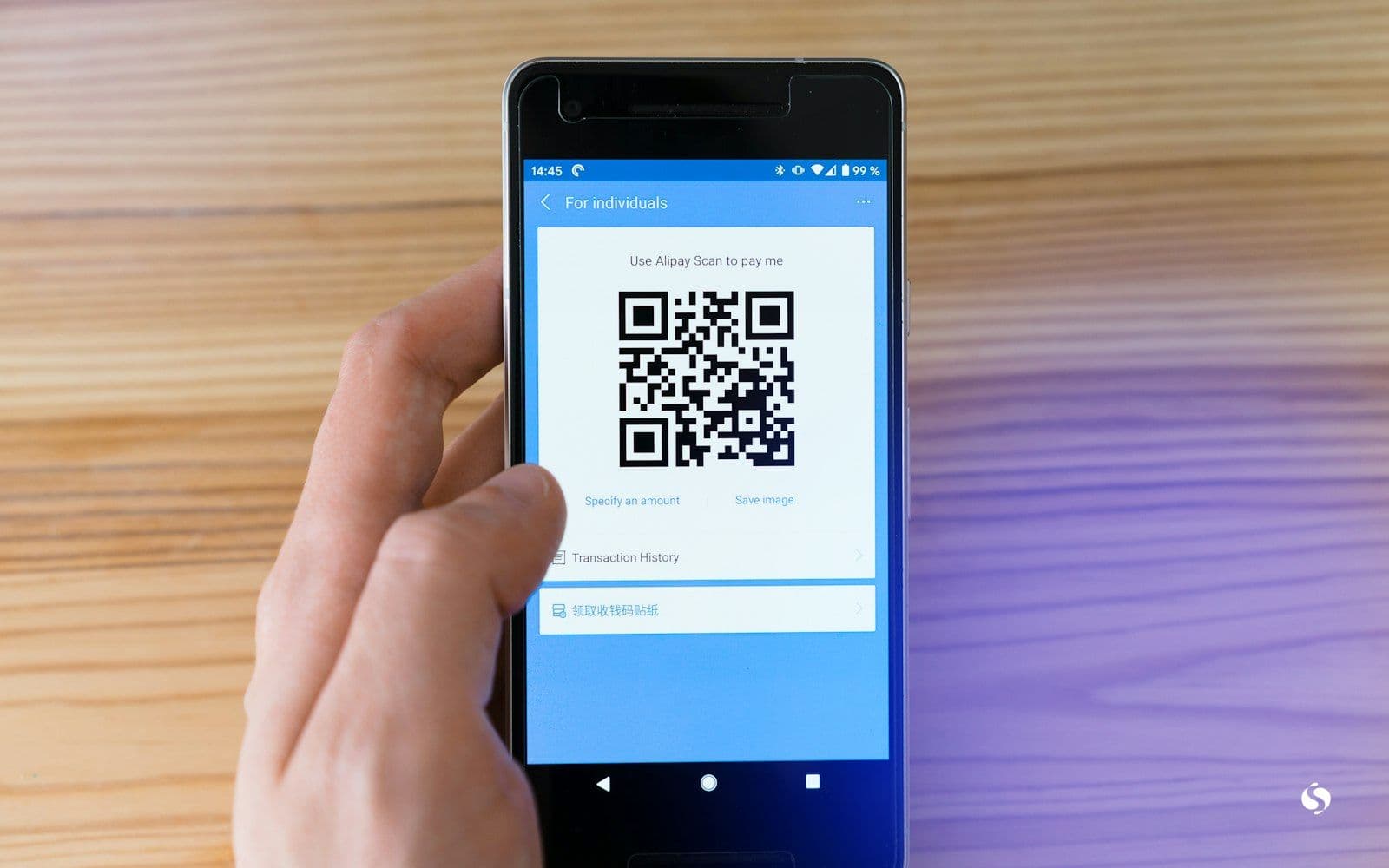
Getting paid. Most small shops start with a bank transfer and a payment slip, and it works fine. The trouble starts when orders pile up and someone has to match slips to orders one at a time. More on that in accepting payments online for small shops.
Shipping. Set a flat 40 baht because other shops do, while your products ship in big boxes, and the difference eats your profit one order at a time without anyone noticing. How to work out the numbers is in setting shipping fees without losing money.
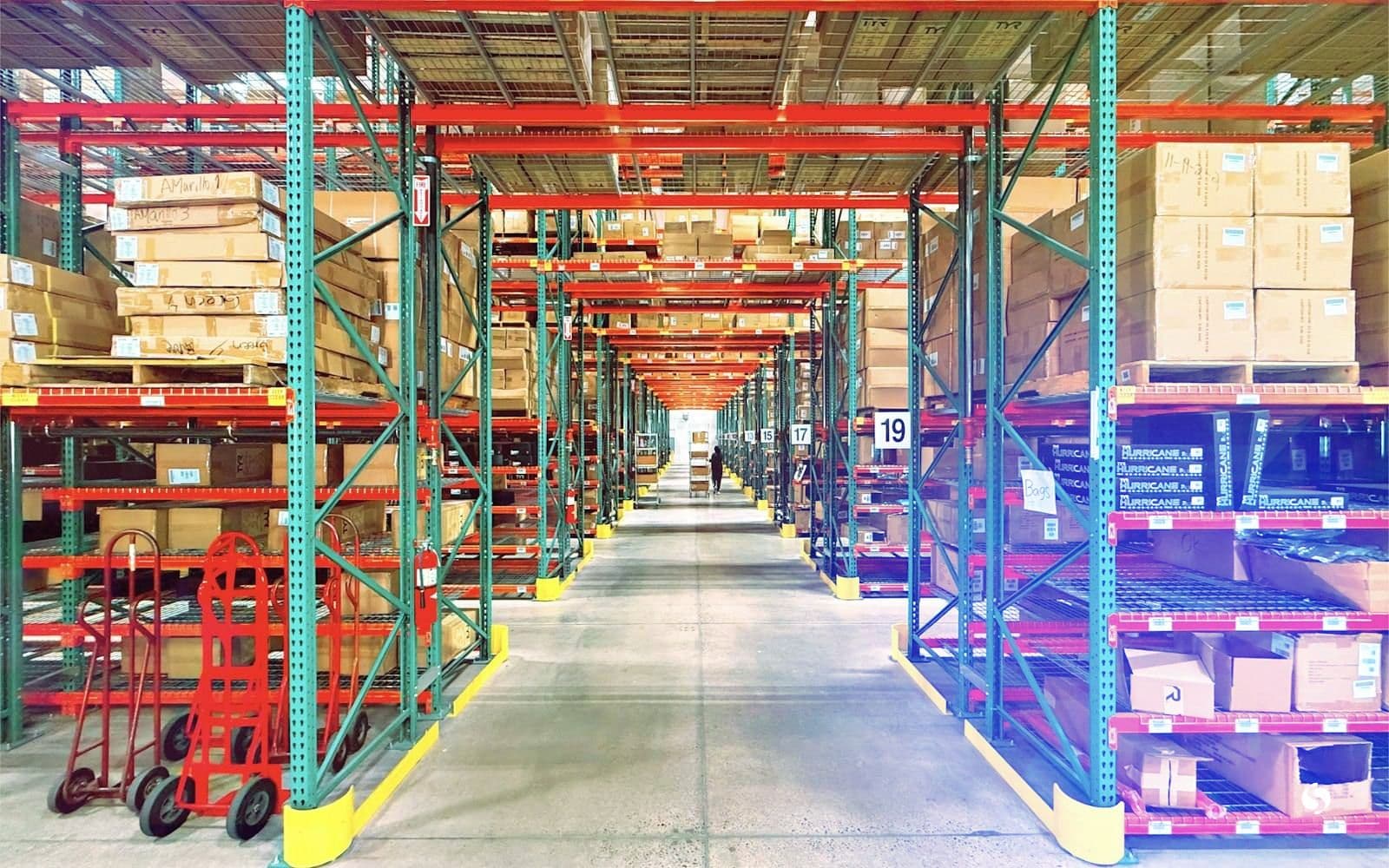
Stock. When you sell in chat, you remember how many are left. Once customers can order on their own, that number has to live in a system, not in your head, or you'll sell things you don't have. If you sell in several places at once, read keeping stock straight across channels.
Chat still matters, it just shouldn't be the only way to buy
Opening your own online store doesn't mean closing the chat. Some customers still want to ask whether the fabric is see-through or hot to wear. Those are the conversations that actually sell, and the owner has more time for them when she isn't typing the price for the fiftieth time that day.
If the chats get so busy that orders start slipping through, that's the clearest sign the shop has outgrown selling in chat. We wrote about it in when selling in chat stops working.
The online stores the woowey team builds come with product pages, a cart, coupons, stock and tracking numbers customers can follow themselves. Owners change prices and photos on their own, and building and looking after the store is our job. Tell us what you sell, and we'll handle the rest.
Next Tuesday at 11 pm, the woman who finds the cream linen shirt sees the price, sees there are two left in M, orders, attaches her slip and puts her phone down. The owner wakes up to an order instead of a question.
Frequently asked questions
Where do I start when opening my own online store?
Pick the 10 or so products that sell best or get asked about most. Add the price, sizes, stock, shipping and how to pay, then send the store link to people who message you. Add more products as real orders come in.
I already have a Facebook page. Do I need an online store website?
If customers have to message you before every purchase, a store lets them order while you're busy. Keep using the page to reach people and chat, and point its links at your store.
I sell on Shopee already. Do I still need my own store?
You don't have to choose. Marketplaces are good for finding new customers, and your own store suits past customers who want to buy again. Most shops use both.
How should a small shop take payments online?
Most start with bank transfer and a payment slip, because customers know it and no middleman takes a cut. Attach each slip to its order and check the money has arrived in your banking app before you ship.
The woowey team
We build websites and systems for businesses
We build websites, booking systems, online stores and back offices for Thai businesses, then look after them every month. What we write here comes from what we see working with real shops.
Want this for your business? Tell us
Type what you need. The woowey team builds your website and systems, then looks after them every month.
Keep reading
 Selling online
Managing stock across sales channels: selling what you don't have is worse than not selling
On Saturday morning the last piece sells over the counter. At 9 pm someone orders the same part on Shopee, and the shop has to cancel and gets a one-star review. Selling something you don't have is worse than not making the sale.
 Selling online
Marketplace or your own online store: one brings sales, the other brings customers back
On 11.11 a skincare shop packs orders until 3 am and spots a name buying the same serum for the third time. The shop sold to her three times and still doesn't know her. That's the real difference between a marketplace and your own store.
 Selling online
Accepting payments online for small shops: the problem isn't getting paid, it's checking every slip
Saturday, 7 am. Twelve cakes need decorating, and one of the owner's hands is scrolling LINE for payment slips. Most small shops can already take money online. What wears them out is everything after the money arrives.