Customers who book and don't show up: the empty slots quietly costing you
Saturday, 2 pm, the best slot of the week. The customer doesn't come and doesn't message. Almost every appointment business has been here. Why it happens, what it costs, and what the shops that rarely see it do differently.


Key points
- Most no-shows aren't deliberate. People forget, feel awkward asking to reschedule, or mix up the day.
- Two missed 500-baht slots a day is about 26,000 baht a month that never reaches the shop.
- Sum up each booking in one message right away, then remind on LINE a day before and a few hours before.
- Let customers reschedule themselves, so the slot goes back on sale before the time comes.
- Keep deposits for the slots that really hurt to lose, and make the rules clear at booking.
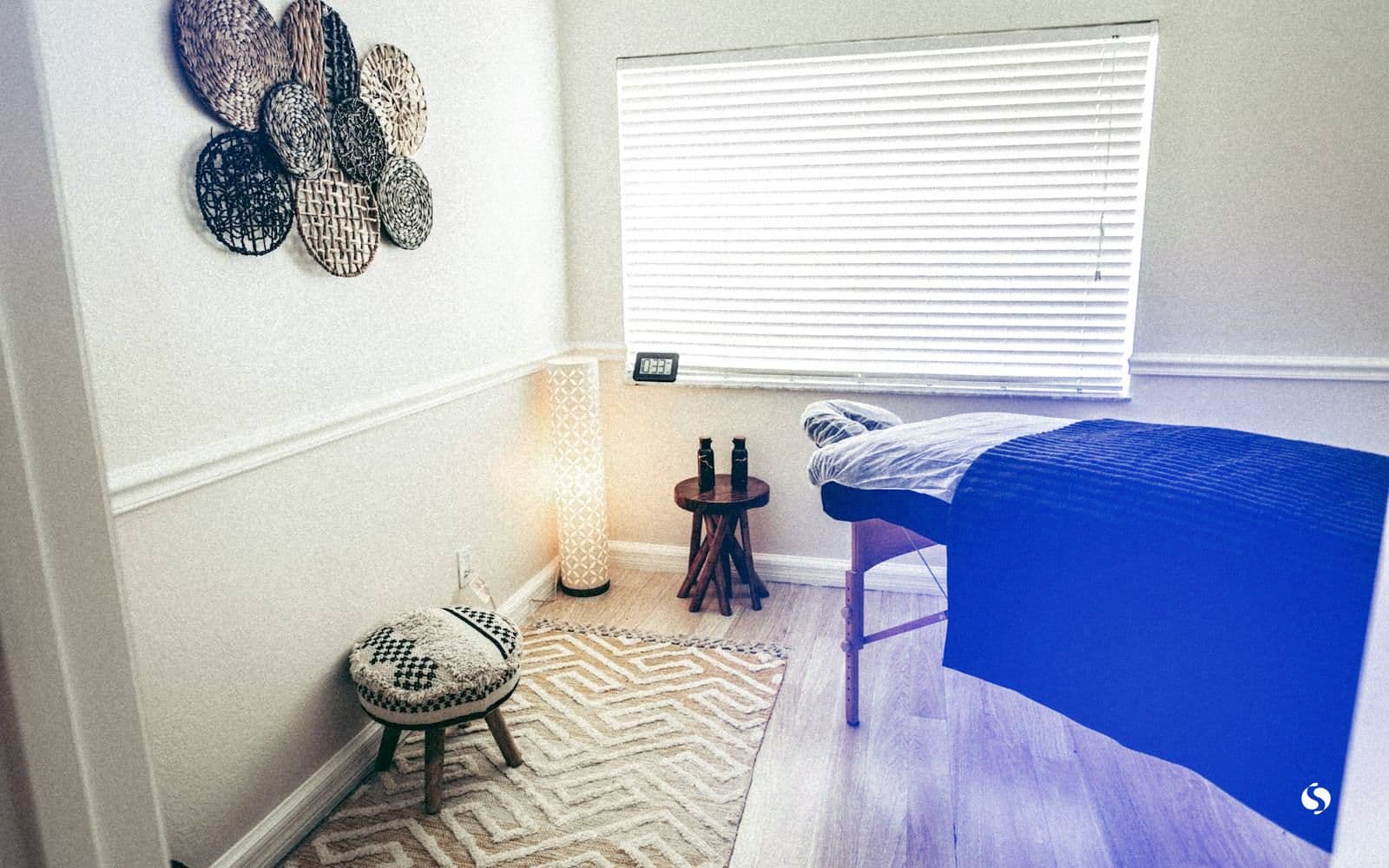
Saturday at 2 pm is the slot most massage shops want more than any other. The room is ready, the towels are folded, the therapist is watching the clock.
Five past two: nobody. Quarter past: the owner sends a LINE message. It's delivered, not read. A call goes unanswered. By three, the slot is simply gone.
What stings more is that yesterday someone else asked for exactly that time, and the shop told them, "Sorry, we're full."
Every time we talk to appointment businesses, massage shops, clinics, hair and nail salons, this story comes up. And the question that follows is always the same: how do you get people who book to actually turn up?
Most no-shows aren't people skipping out
The owner's first reaction is usually anger. But when shops do hear back from the customers who vanished, the reasons are far more ordinary than they expect.
"I completely forgot, I booked it on Monday." "Something urgent came up and I felt bad messaging." "I thought it was Sunday." Shops hear a handful of answers like these, over and over.
A few people do hold slots at several places and go wherever is easier. Most, though, forget, feel awkward or get the day wrong, and that's something the shop can fix with how it works, without trying to change its customers.
One empty slot costs more than it looks
Do the maths for an imaginary massage shop: 500 baht a slot, just two no-shows a day, open 26 days a month.
2 slots × 500 baht × 26 days = 26,000 baht a month
That number never shows up in the shop's books, because it's money that never came in, not money that went out. So owners rarely see it clearly. And that's before counting the therapist's waiting time and the customers turned away because the shop looked full.

What shops that rarely see no-shows do differently
Shops that rarely deal with this don't have better customers. They just do three small things, every single time.
They sum up every booking. When someone books in a chat, they don't stop at "sure". They send one message with the day, the time, the service and who it's with. The customer doesn't have to remember, and if they've got the day wrong, they find out right then.
They remind people before the day. One message the day before, so anyone whose plans changed still has time to move it, and another a couple of hours before, for the ones who simply forgot. On LINE, because that's the app Thai customers open every day, not an email nobody reads.
They make rescheduling easier than disappearing. This matters most. A customer who feels awkward won't message to ask for a new time. Put a button in the reminder that lets them move it themselves, and they'll press it. The shop gets the slot back to sell before the time comes, instead of finding out at three o'clock.
Deposits help, just not on every booking
Plenty of shops respond by taking a deposit on every booking. It works on people who book several places at once, but it also makes some new customers hesitate until they don't book at all.
Shops that use deposits well keep them for the slots that really hurt to lose: a two-hour treatment, a Friday evening, a service that needs things prepared in advance. And they put the rules up front at booking: free to move with 24 hours' notice, deposit kept if you don't turn up without telling us. When the rules are clear from the start, most customers are fine with them.
A last-minute gap fills itself if you keep a waitlist
Something shops often overlook is a list of customers who'd like an earlier time. When someone cancels, a shop with that list can message them straight away, and the slot isn't wasted.
Note who misses appointments often, too. Next time you can ask for a deposit or reconfirm with just that person, instead of treating every good customer the same way.
When to stop reminding customers yourself
If a shop has only a few appointments a day, everything above can be done by hand. Set phone reminders and message each customer yourself.
Once you're past 15-20 appointments a day, or you have several therapists or branches, messaging people one by one eats an hour of front-desk time, and the busiest days tend to be exactly when reminders get forgotten. That's the point to let a booking system take over: confirming each booking, reminding on LINE and letting customers reschedule on their own, with nobody sitting there answering.
Next Saturday at 2 pm, someone may still need to move their appointment. But at least the shop will know the day before, and the customer who wanted that time will get it.
Frequently asked questions
What should I do when a customer doesn't show up?
Message them politely and ask when would suit them instead of telling them off. Most people forgot or had something come up. If the same customer does it again, ask for a deposit or reconfirm before the day next time.
How far ahead should I remind customers about appointments?
Two reminders work best: one a day before, so they have time to reschedule, and one 2-3 hours before for anyone who forgot.
Should I take a deposit for every booking?
No. Keep deposits for long or expensive services and busy time slots, and make the rescheduling and refund rules clear when people book.
How does a booking system reduce no-shows?
It confirms every booking instantly, sends reminders on its own and lets customers reschedule or cancel themselves. Freed slots go straight back on sale, and nobody at the shop has to chase customers one by one.
The woowey team
We build websites and systems for businesses
We build websites, booking systems, online stores and back offices for Thai businesses, then look after them every month. What we write here comes from what we see working with real shops.
Want this for your business? Tell us
Type what you need. The woowey team builds your website and systems, then looks after them every month.
Keep reading
 Back office
Should you take a deposit when customers book? A deposit is an agreement, not a punishment
Sunday, 11 pm, after the third no-show of the week, a salon owner types out a post: deposits on every booking from now on. It fixes one problem and quietly creates another.
 Back office
How to choose an online booking system: it should think like your shop, not a calendar
Friday, 7 pm. Two customers booked the same oil massage slot and the system said yes to both, but only one oil therapist was free. A good booking system knows things like that. Here's how to tell which ones do.
 Back office
Back-office systems for service businesses: when every question waits for the owner
It's 8 pm, the owner has finally sat down to eat, and the phone won't stop buzzing, because every question in the shop waits for one person. That's the day a business needs a back office. Here's how to start, one piece at a time.