Managing stock across sales channels: selling what you don't have is worse than not selling
On Saturday morning the last piece sells over the counter. At 9 pm someone orders the same part on Shopee, and the shop has to cancel and gets a one-star review. Selling something you don't have is worse than not making the sale.

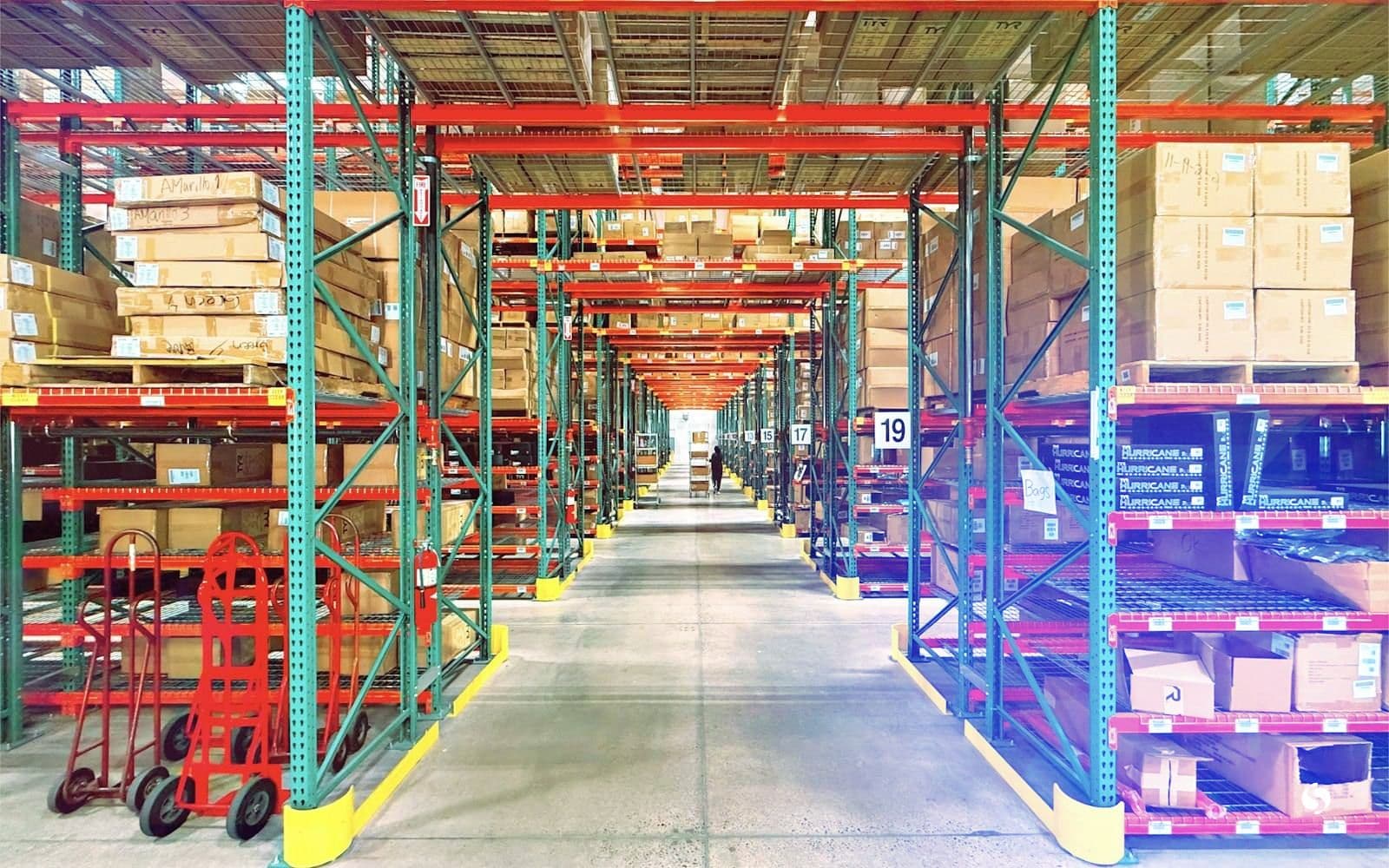
Key points
- Overselling and then cancelling costs a shop the customer, a review and time spent on refunds, which is far more than one missed sale.
- Stock drifts because the same pile of items is counted in every channel, and no channel knows what the others have sold.
- Keep the real stock number in one place. Whatever channel something sells through, update that number first, then bring the others in line.
- Hold some stock back, so the channel where a cancellation hurts most shows fewer units than you really have.
- For made-to-order products, state the production time clearly instead of showing stock ready to ship.
A small shop making custom motorcycle parts works out of a ground-floor shophouse. There's a display case at the front and a lathe at the back. The owner machines every part himself and sells over the counter, on his Facebook page, on Shopee and on the shop's own website.
On Saturday morning a regular drops in and buys the last pump guard in the case. He pays cash and takes it with him. The owner smiles and goes back to the lathe.
At 9 pm, an order for the same pump guard comes in on Shopee. The listing still says one in stock, because nobody changed it. The customer has paid and is waiting. Two days later he gets a message saying the shop has cancelled.
He leaves one star and writes, "Why list it if you don't have it?" That review is there every time someone new looks at the shop. Almost every shop that sells in several places has been through this, and the lesson is always the same: selling something you don't have is worse than not making the sale.
Overselling costs more than one lost sale
If the listing had said sold out that night, the customer might have followed the shop or asked when more were coming. The shop would have missed one sale, and that's all.
Sell it and then cancel, and the shop loses several things at once. It loses that customer, it gains a review every new visitor will see, and it spends time refunding and replying. Many marketplaces also count seller cancellations against the shop, which can affect how visible it is in the app.
Some imaginary maths: a shop that oversells four times a month gives 48 people a year the worst experience it can offer, paying and getting nothing. To someone choosing where to buy, a small shop that never cancels looks better than a bigger one that cancels often.
Stock drifts because every channel counts the same pile
The problem isn't the owner's memory. It's that the five items in the case get counted as five in every channel at once. Shopee thinks there are five. The website thinks there are five. The Facebook page doesn't count at all because sales happen in chat, and the counter sells without telling anyone.
When sales are slow, the gap hardly matters, because the owner usually updates the numbers in time. But the busiest day is the day he forgets, and the last item usually goes on exactly that kind of day.
Keep the real stock number in one place and let the rest follow it
Shops that rarely oversell tend to have one rule everyone knows. The real number lives in one place only. It might be the website's back office, or even a spreadsheet on a phone. Whichever way an item leaves the shop, that number gets updated first, then the other channels are brought in line.
Your own online store makes a good home for that number, because you control all of it. When customers order on the site, stock goes down by itself. When something sells over the counter or in chat, you update the same place, then refresh the marketplaces on a schedule. If you don't have a store yet, start with starting your own online store.
Some high-volume shops use software that syncs stock with marketplaces automatically, which helps a lot. The rule still applies, though. There has to be one place everyone trusts as the real number.
Hold some stock back, so the riskiest channel shows less than you have
Something a small shop can do today, without any new system, is not show all its stock everywhere. Say you have 10 pump guards. You might list only 7 on Shopee and keep 3 for the counter and regulars.
Give the lower number to the channel where a cancellation does the most damage. That's usually the marketplace, because of reviews and the shop's standing there. At the counter or in chat, if something is gone you can tell the customer straight away, before anyone has paid.
When stock gets low, say down to 2, take it off the marketplace and sell the last ones where you can talk to the customer. Better than letting two channels race for the same item. For how to split the roles between a marketplace and your own store, read marketplace or your own online store.
Count real stock on a schedule, not when something runs out
However good the numbers in your system, they drift. Things get dropped and damaged, display pieces don't make it back into the case, customers swap models. Shops whose stock stays accurate don't count every day. They count on a schedule, best sellers weekly and everything else monthly, and correct the number in the one place that holds the truth.
When you count, notice which items drift most. It usually tells you where the leak is. If the counter items are always off, updating stock on counter sales hasn't become a habit yet.
For made-to-order products, show the lead time instead of stock
For shops that make things themselves, like this one, there's another option that works well. Split products in two: ready-to-ship items that show the real quantity, and made-to-order items with no stock count but a clear production time.
Customers who can wait order the made-to-order version. Customers in a hurry pick what's ready to ship. Both know before they pay when the part will arrive, and nobody gets a cancellation message.
The online stores the woowey team builds reduce stock automatically when customers order on the site, and owners can adjust quantities themselves when something sells over the counter or elsewhere. If you'd like your website to be where the real stock number lives, tell us how many places you sell in today.
The machinist still sells the last pump guard to his regular over the counter. The difference is that this time Shopee stopped selling that model when it got down to two, and the person browsing at 9 pm sees it can be made to order in seven days. He orders it, and on Monday there's no one-star review waiting.
Frequently asked questions
How do I avoid overselling when I sell on several channels?
Keep the real stock number in one place, update it first whenever something sells anywhere, then bring the other channels in line. Hold some stock back by listing fewer units on marketplaces than you actually have.
What happens if I oversell on a marketplace and have to cancel?
You lose that customer, may get a bad review and spend time on refunds. Many marketplaces also count seller cancellations against the shop, which can affect visibility, so check the rules of the app you use.
How often should I count my stock?
On a schedule: best sellers every week and everything else once a month, correcting the one place you use as the real number.
Should made-to-order products have a stock count?
No. List them as made to order and state the production time clearly before customers pay, so they know from the start when it will arrive.
The woowey team
We build websites and systems for businesses
We build websites, booking systems, online stores and back offices for Thai businesses, then look after them every month. What we write here comes from what we see working with real shops.
Want this for your business? Tell us
Type what you need. The woowey team builds your website and systems, then looks after them every month.
Keep reading
 Selling online
Starting your own online store: let customers order without messaging first
At 11 pm someone finds a shirt she loves and asks the price. The shop replies in the morning, but she has already bought one elsewhere. The online shops that last do one thing differently: nobody has to message before they can order.
 Selling online
Marketplace or your own online store: one brings sales, the other brings customers back
On 11.11 a skincare shop packs orders until 3 am and spots a name buying the same serum for the third time. The shop sold to her three times and still doesn't know her. That's the real difference between a marketplace and your own store.
 Selling online
Accepting payments online for small shops: the problem isn't getting paid, it's checking every slip
Saturday, 7 am. Twelve cakes need decorating, and one of the owner's hands is scrolling LINE for payment slips. Most small shops can already take money online. What wears them out is everything after the money arrives.